My research explores the hidden biological diversity of coral reefs, with a focus on cryptic coral lineages, microbial partnerships, and the physiological responses that shape coral resilience to environmental change.
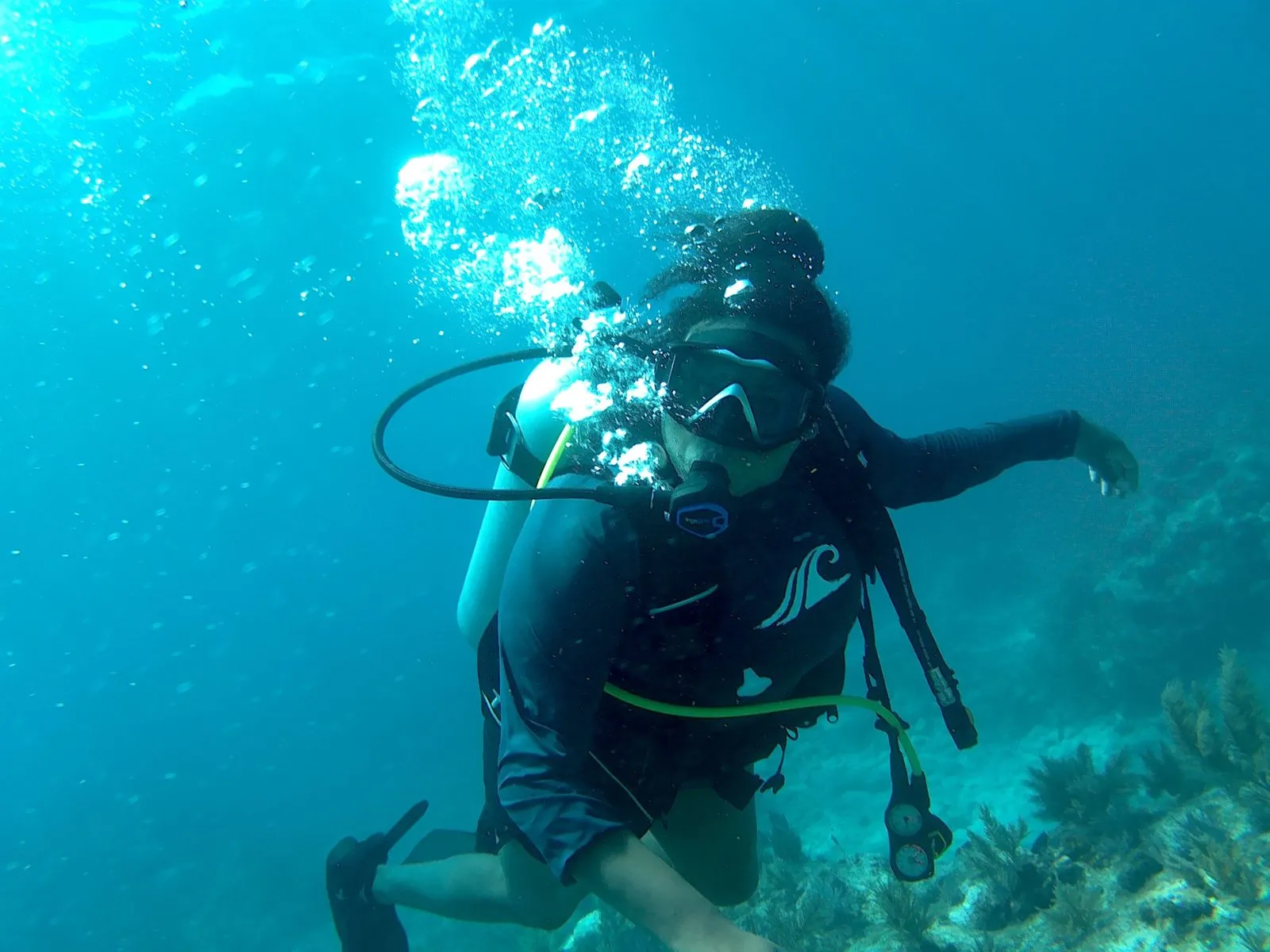
Cryptic Coral Lineages
Corals that appear identical can belong to genetically distinct lineages. I am interested in how this hidden diversity relates to microbial associations and differences in environmental tolerance, and what that means for understanding coral reef resilience.
Coral Microbiomes & Symbiosis
Corals live in partnership with diverse microorganisms, including bacteria and photosynthetic dinoflagellates in the family Symbiodiniaceae. My current doctoral work includes analysis of bacterial communities associated with cryptic coral lineages in a dataset from Palau.
Photophysiology & Environmental Stress
I use and develop molecular and physiological approaches to study coral responses to changing conditions. My research interests include temperature, light, and sediment stress, along with measures such as chlorophyll fluorescence, symbiont abundance, and pigmentation.
Coral Bleaching & Environmental Stress
Changes in coral coloration can provide visible clues about coral condition, although photographs alone cannot establish the cause of paling. These reef images illustrate variation in colony appearance and the importance of investigating how environmental conditions, host biology, and symbiotic partnerships influence coral health.
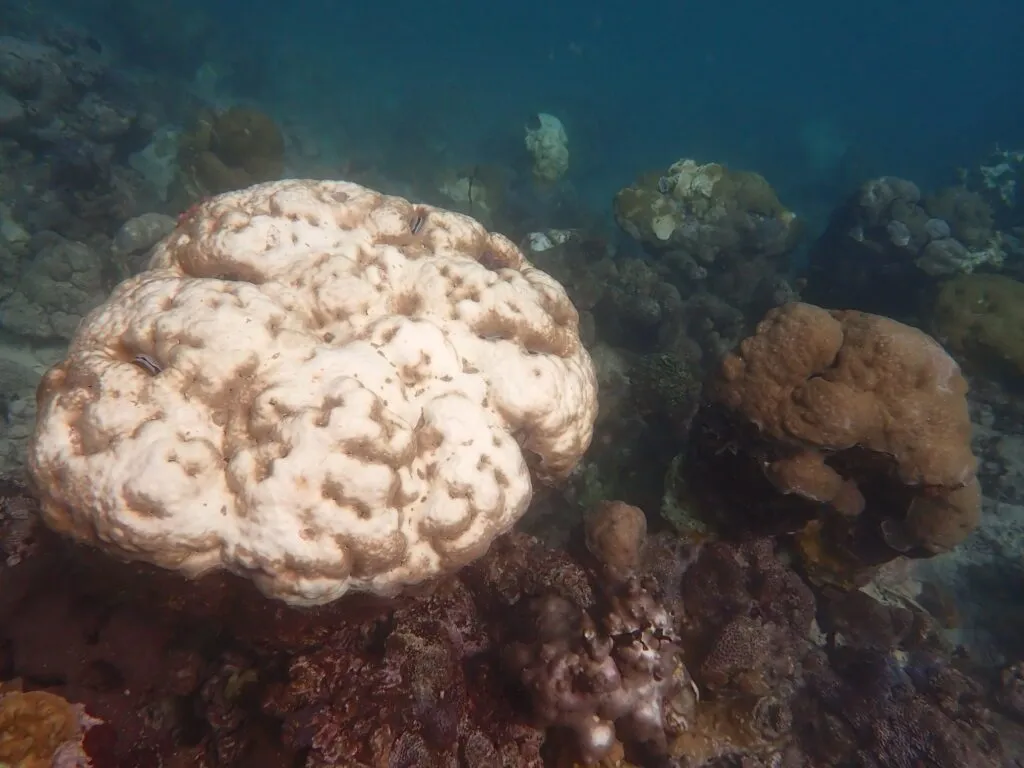
Pale coral colony alongside more heavily pigmented colonies on a reef.
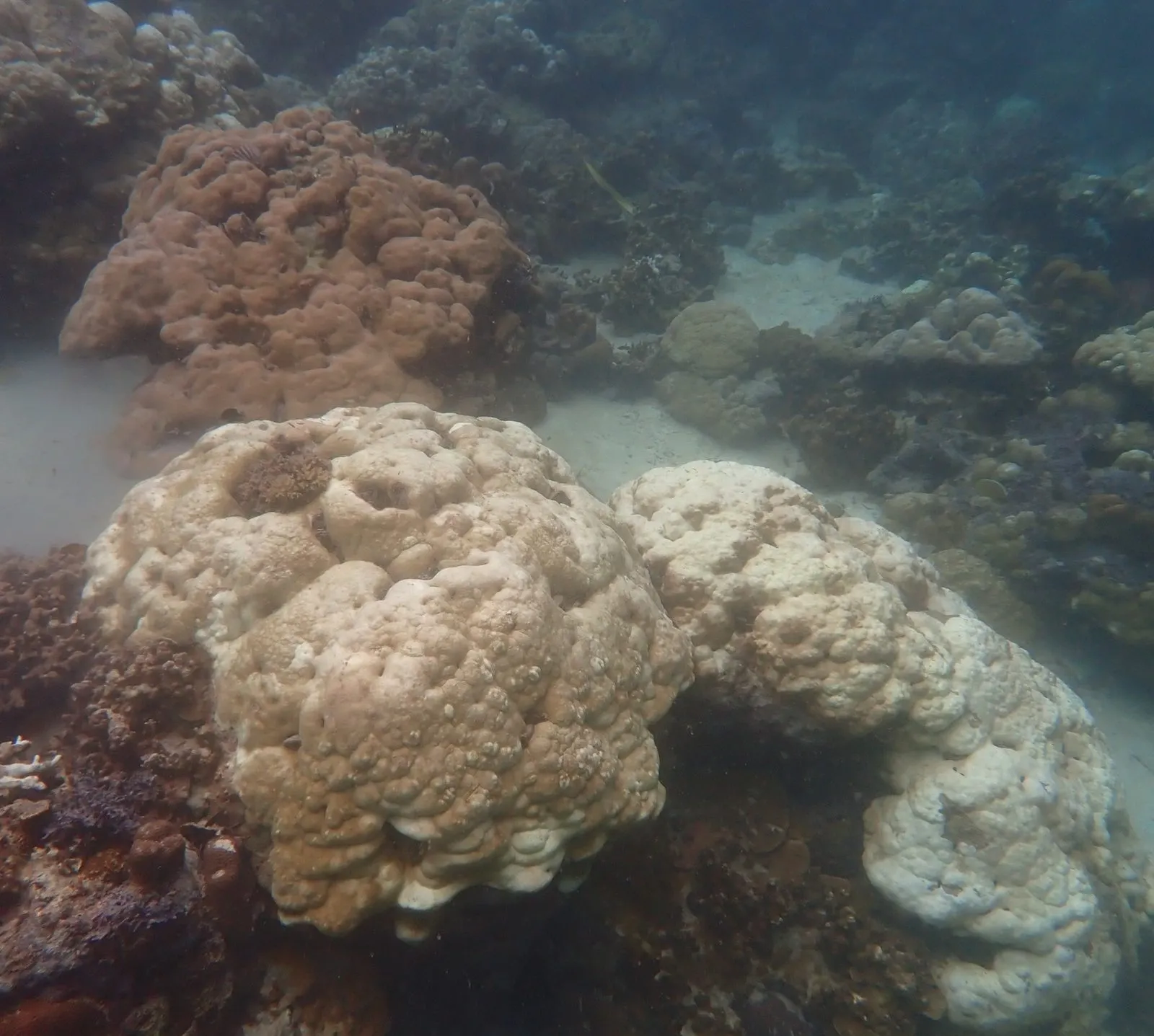
Variation in coral coloration among neighboring reef colonies.
Comparative Reef Research
My broader research plans examine coral responses across reef systems, including Florida, the Caribbean, and the Indo-Pacific. Comparing populations and environmental contexts can help reveal how host diversity and local conditions shape coral performance.
Research Approaches
My toolkit includes DNA extraction and PCR, genetic sequencing, microbial community analysis, coral husbandry, controlled stress experiments, and ecological data analysis. Integrating these methods helps connect molecular diversity with organism-level responses.
Photo Gallery
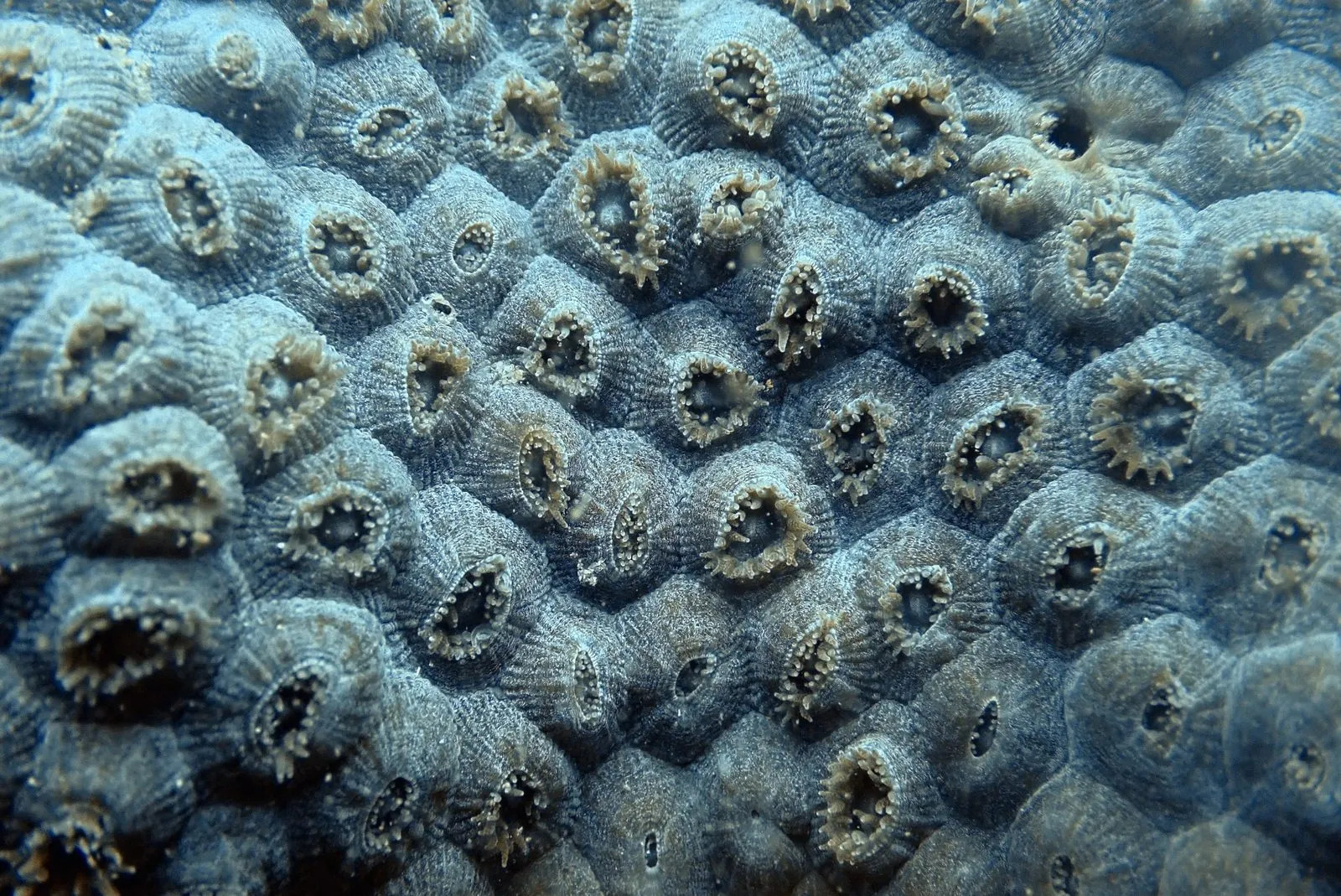
Close-up view of coral colony structure
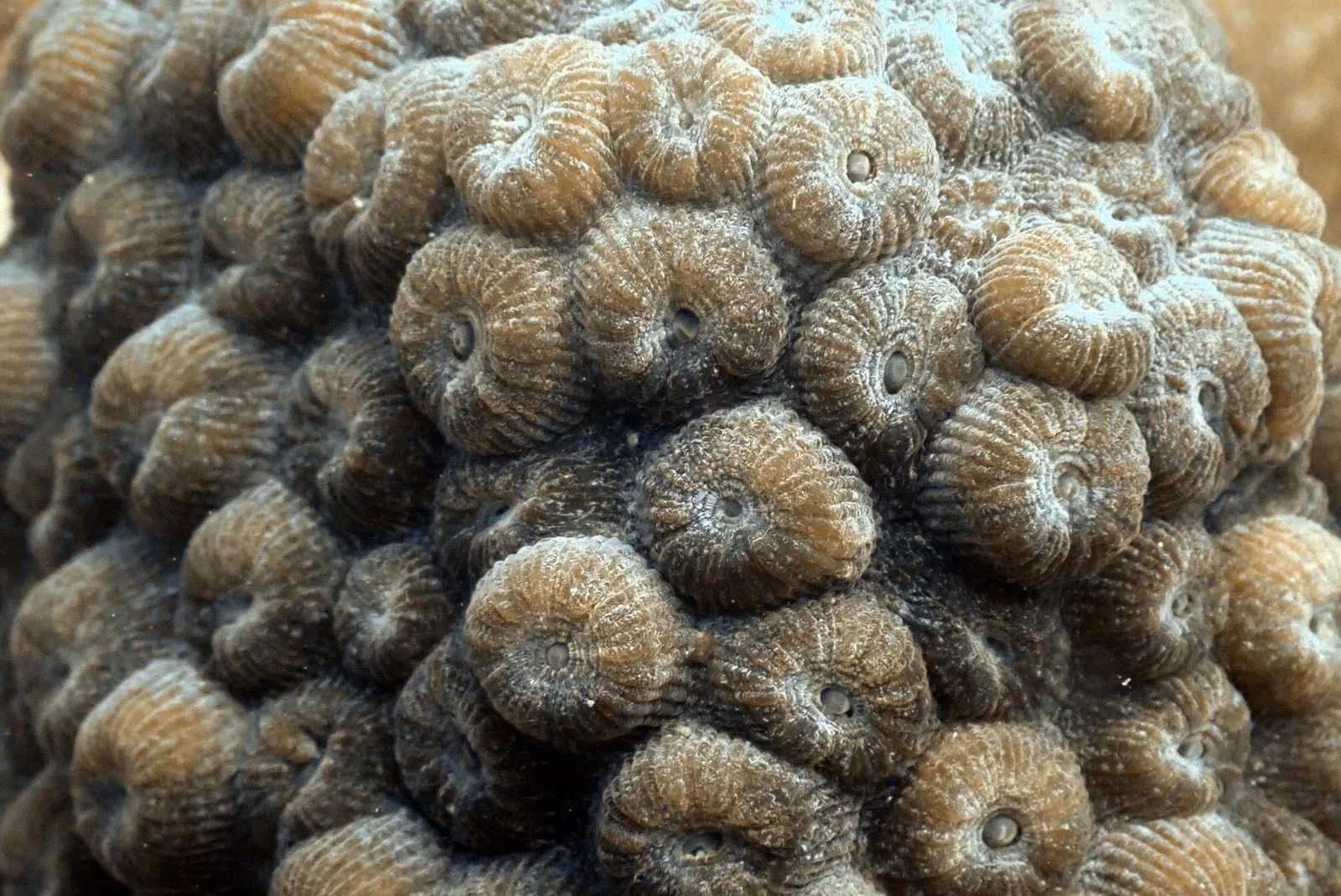
Coral corallites and skeletal architecture
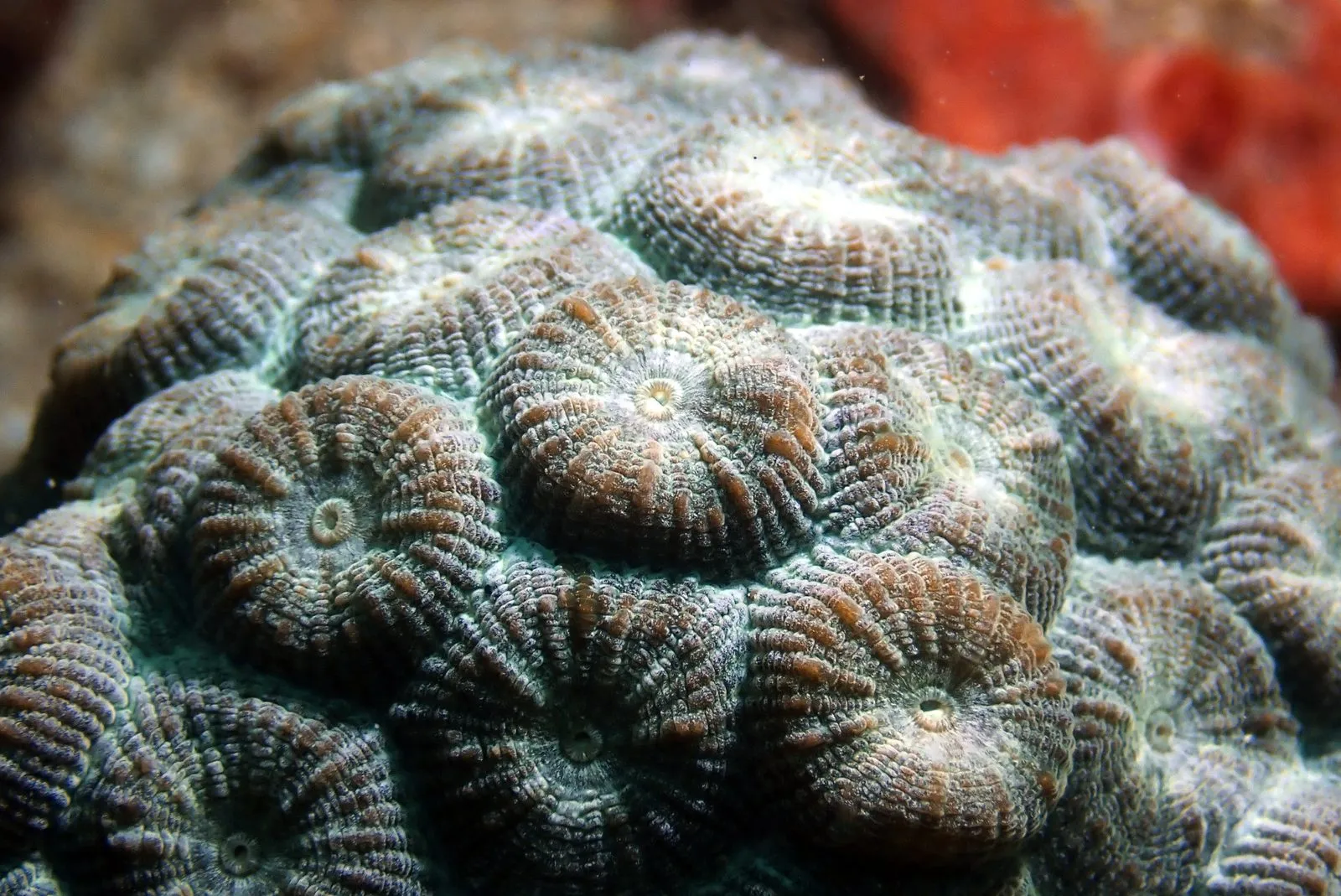
Fine-scale coral morphology
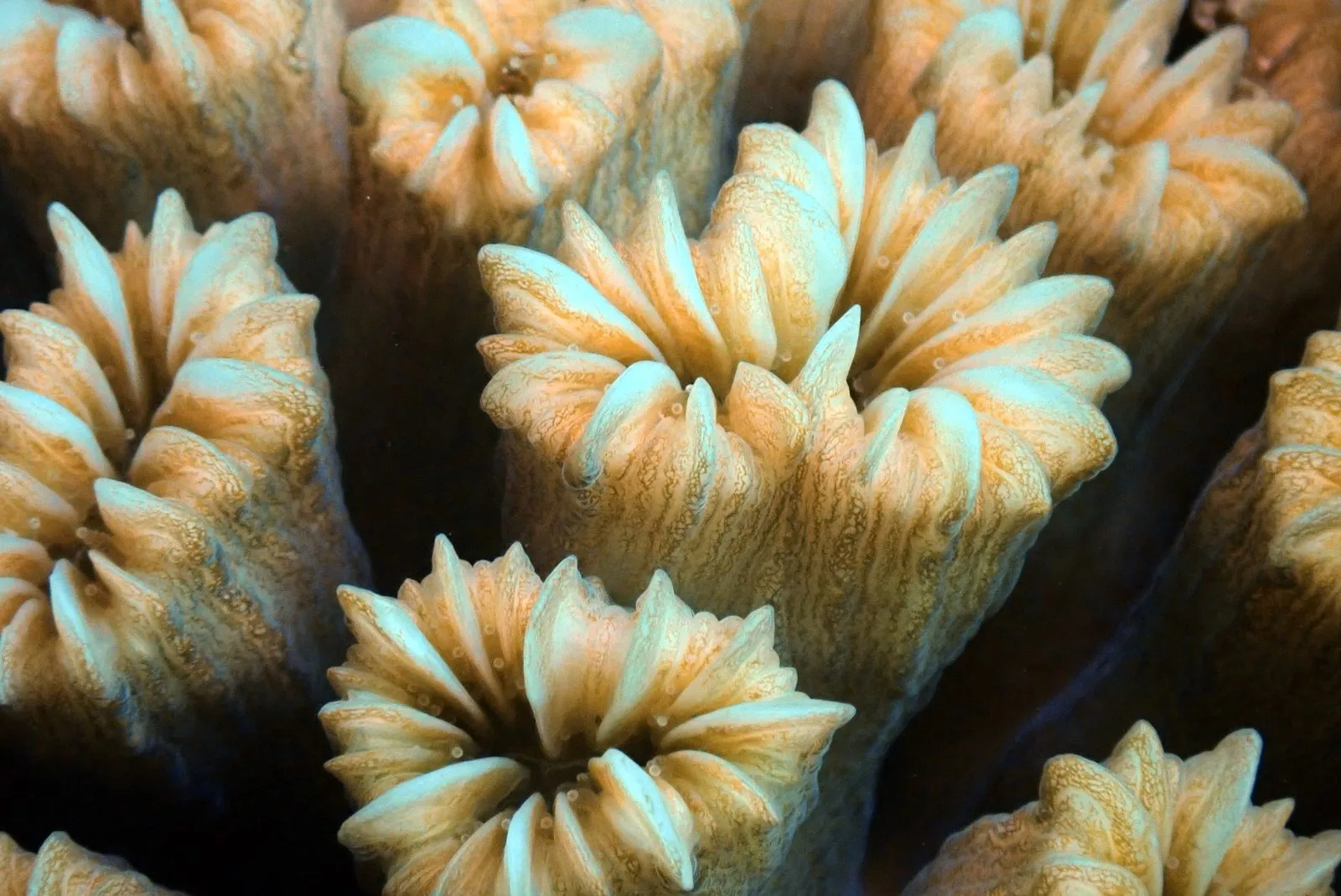
Coral polyps in detail
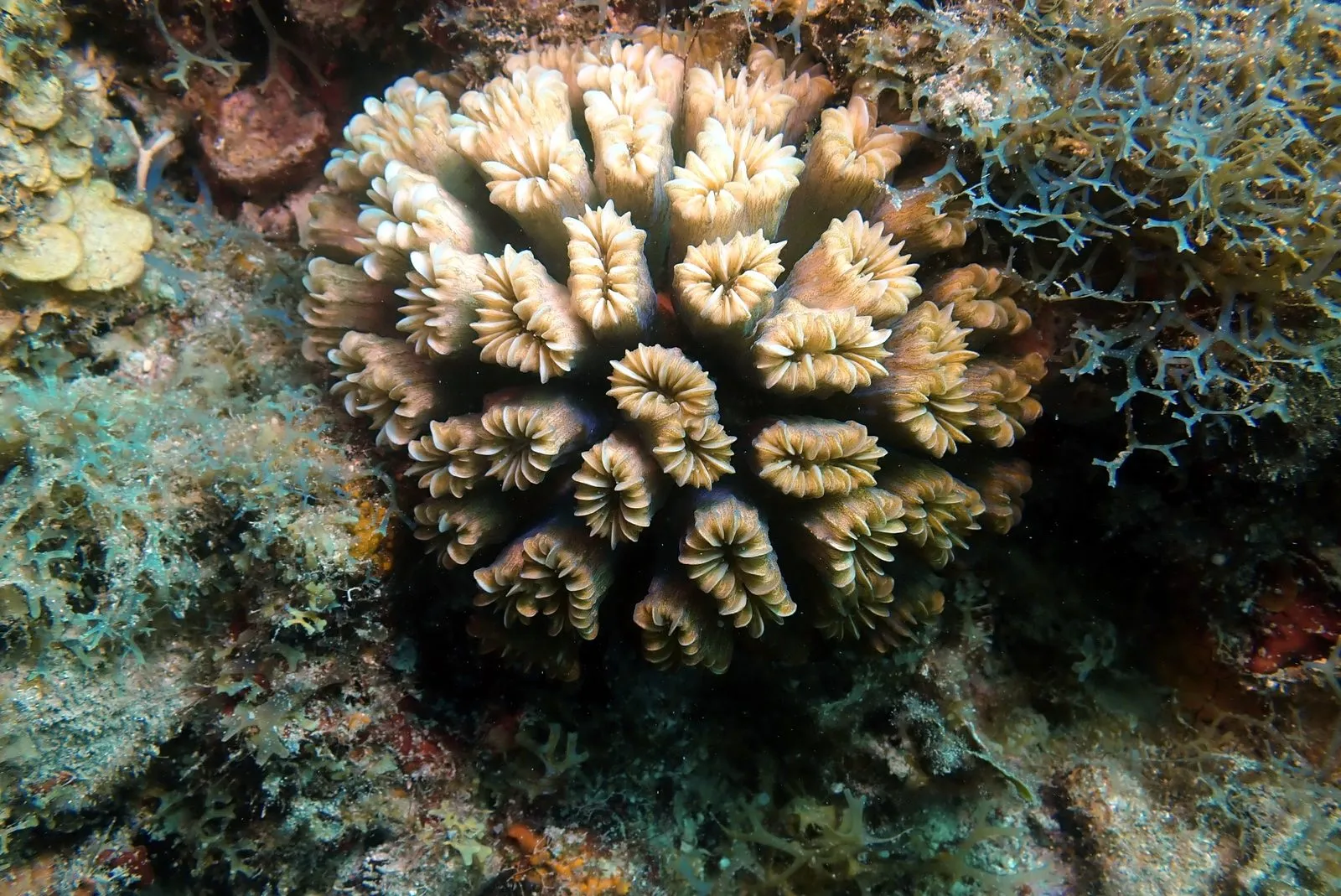
Coral colony on the reef
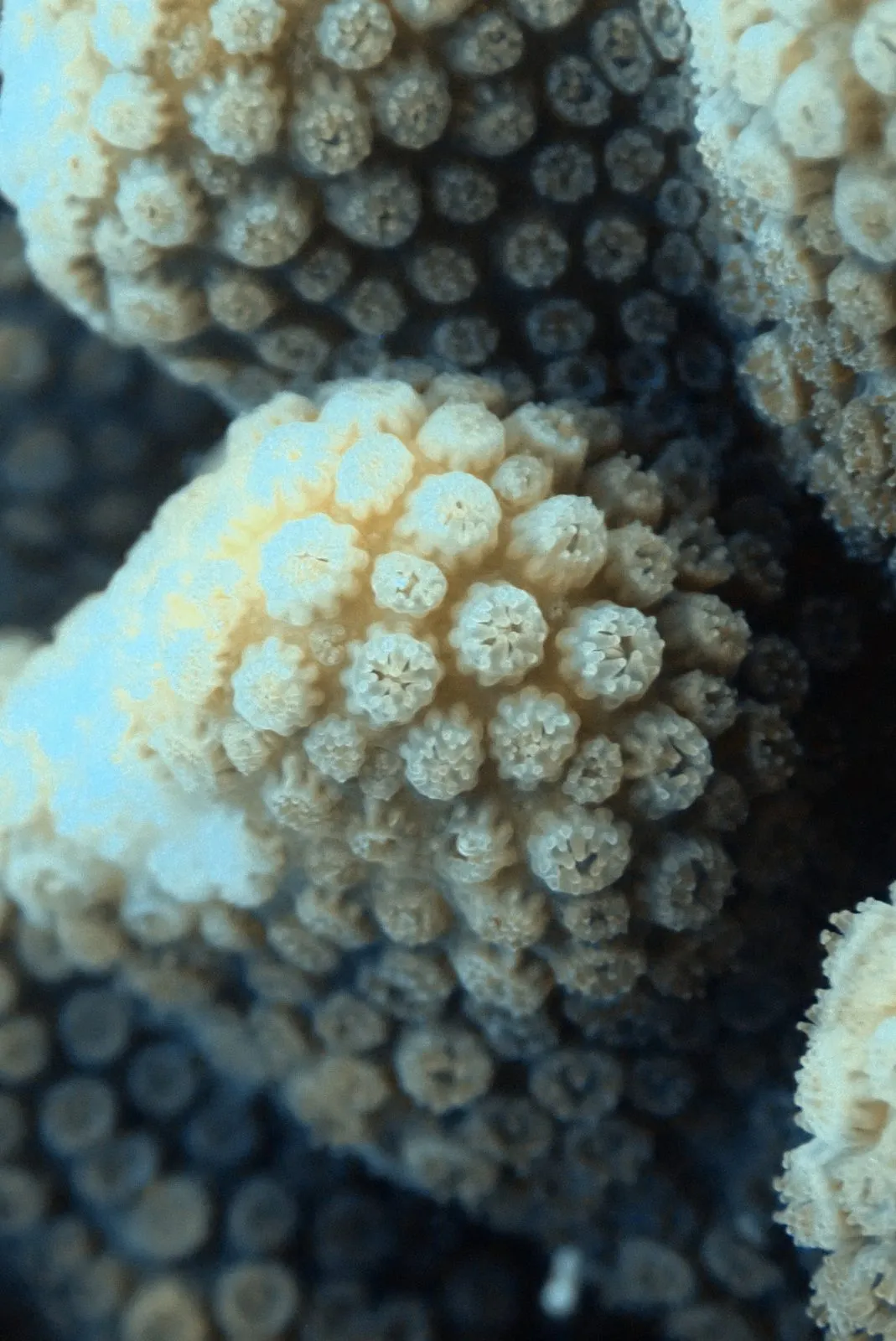
Coral textures and reef biodiversity
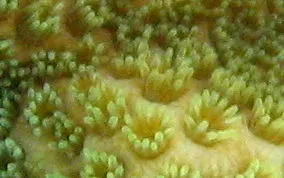
Coral polyps at close range
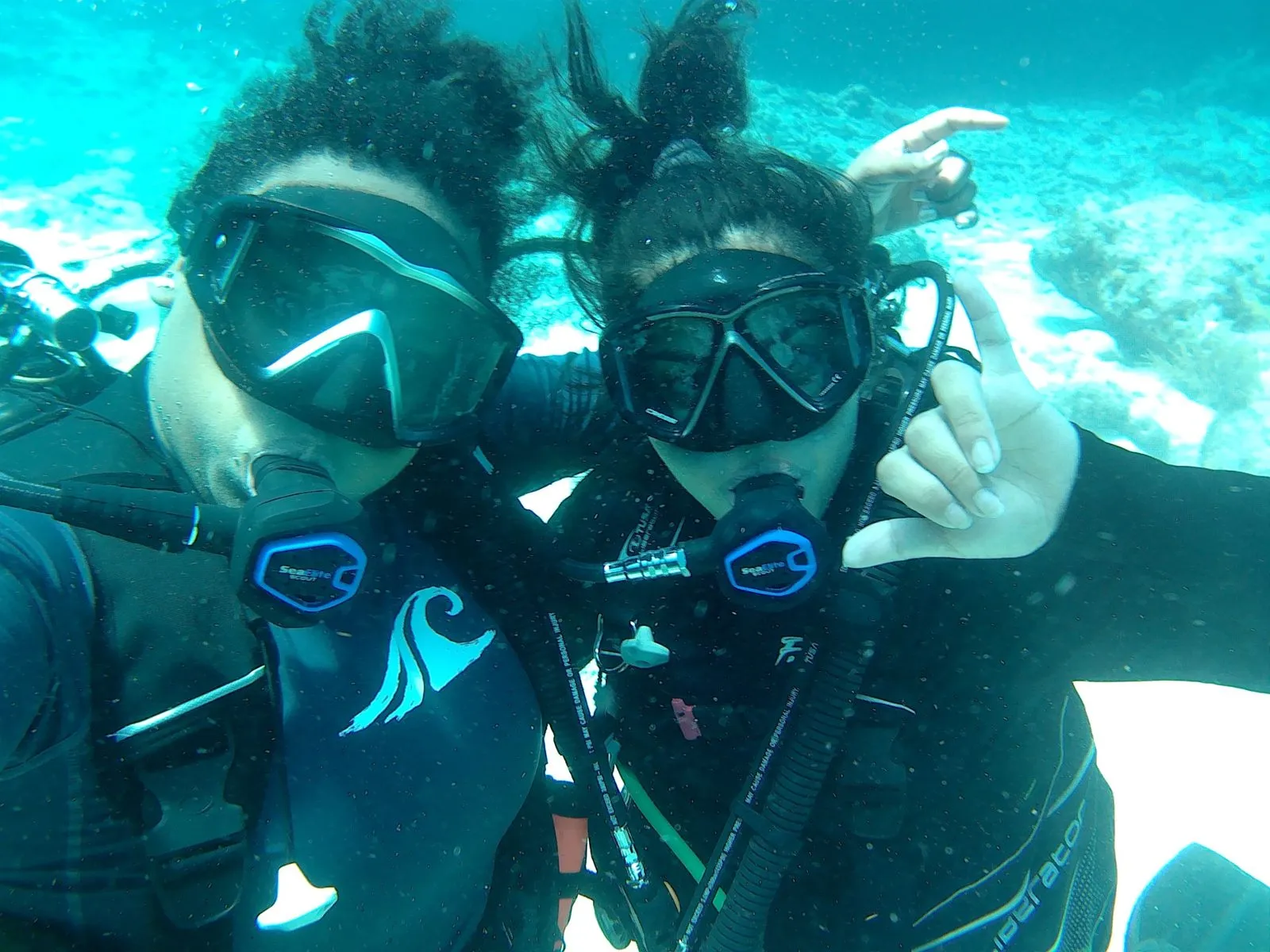
Underwater field experiences
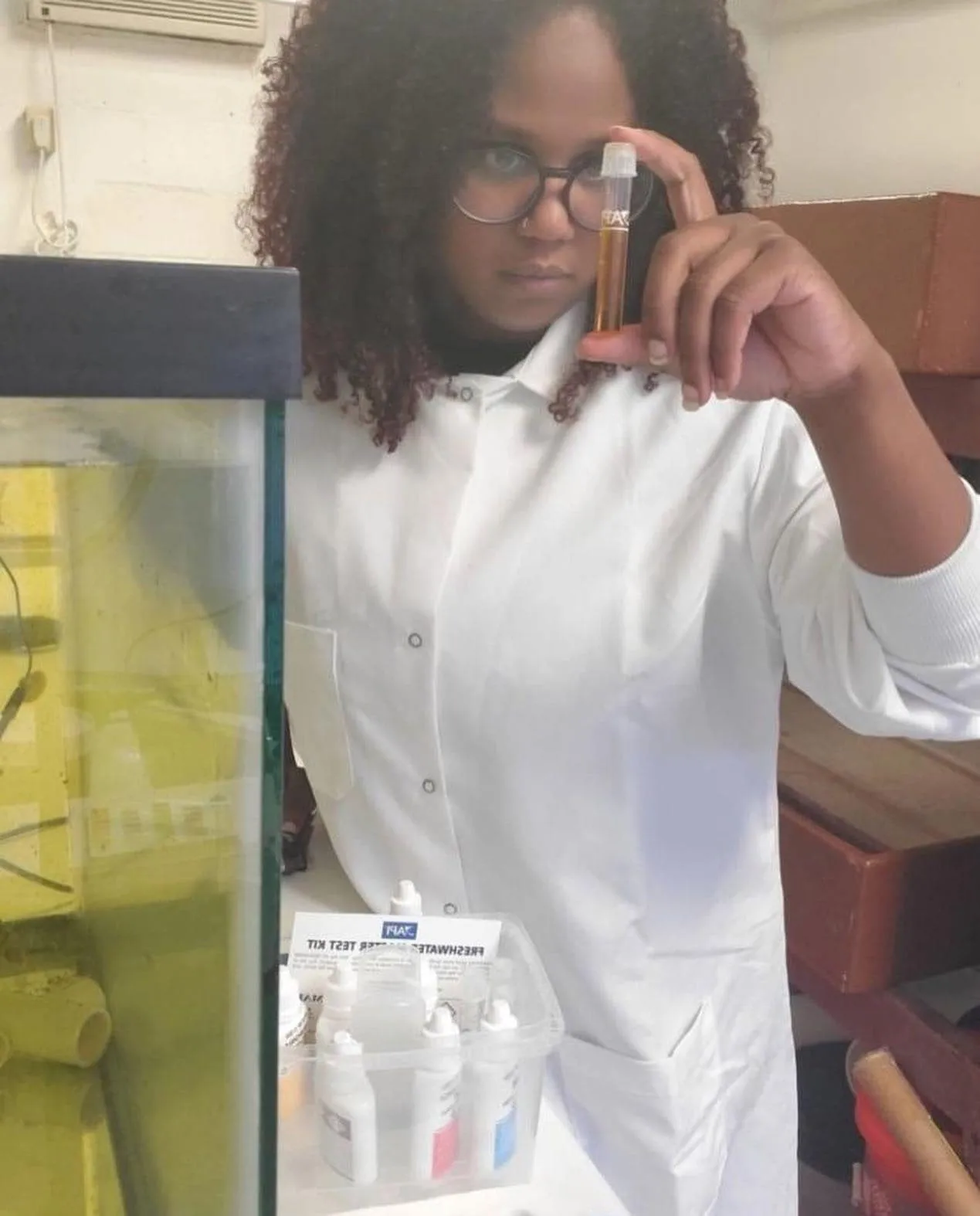
Early laboratory experience
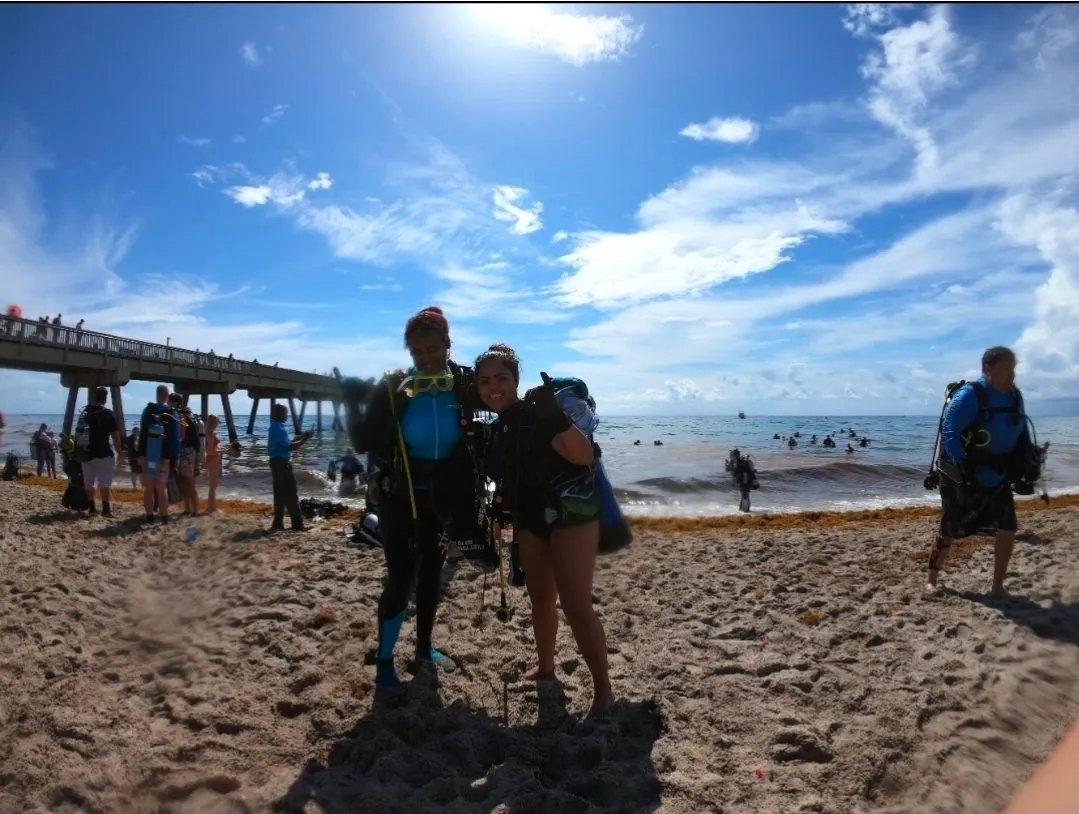
Diving and marine fieldwork
Understanding the hidden complexity of coral reefs is an important step toward protecting their future.